> For the complete documentation index, see [llms.txt](https://docs.langstack.com/welcome/llms.txt). Markdown versions of documentation pages are available by appending `.md` to page URLs; this page is available as [Markdown](https://docs.langstack.com/welcome/get-started/learn-langstack/introduction-to-etl-pipeline/data-formats-in-etl-pipeline/field-mapping.md).
# Field mapping
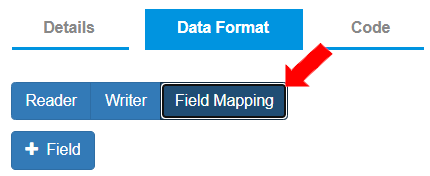
* The fields are mapped between the source and destination resources in the ETL pipeline>Data Format>Field Mapping tab.
* Based on the Field Mapping, the data from the source is mapped to the destination in the specified order.
* In the case of CSV files, the placement position of the fields in Field Mapping must be the same as the placement position or sequence of fields specified in the Reader.
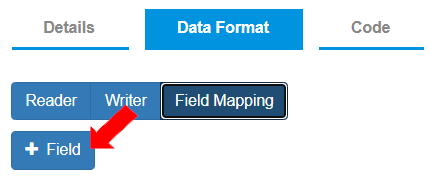
* To add a field in Field Mapping, click the \[+ Field] button.