> For the complete documentation index, see [llms.txt](https://docs.langstack.com/welcome/llms.txt). Markdown versions of documentation pages are available by appending `.md` to page URLs; this page is available as [Markdown](https://docs.langstack.com/welcome/get-started/learn-langstack/introduction-to-flows-and-flow-components/exercise-1-customer-anniversary-email/step-3-trigger-the-flow.md).
# Step 3: Trigger the Flow
The third step is configuring the Flow “CustomerActivityCreated” in the [Process “CustomerJoinDateAnniversaryNotification”](/welcome/get-started/learn-langstack/introduction-to-process/exercise-customer-anniversary-email-activity.md). When this Process is executed, it will trigger the Flow. Once the Process is executed with the Flow, three (3) records will be created in the entity “UserName\_Acc\_Activities”.
* Process created record has the fields:
* Created By: Anniversary Routine App
* Description: “This is the Anniversary of Customer joining date”.
* Flow created records are as follows:
* Created by: ActivityEmailSender FlowApp and Description: Customer Anniversary Congratulations email record.
* Created by: ActivityEmailSender FlowApp and Description: Premium membership free trial for 30 days (after a delay of two (2) minutes.)
Update the Process configuration as follows:
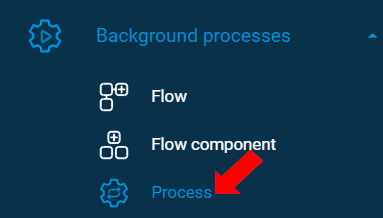
* To open the Process template, click “Process” under the “Data Integration” menu on the left side panel.
* A list of created Processes is displayed. To open the Process “CustomerJoinDateAnniversaryNotification”, click on its name in the list.
* The Process is displayed.
* To configure the Flow to be triggered, go to the “Code” tab.
* To trigger this Flow from the Process “CustomerJoinDateAnniversaryNotification”, [click here to see the steps under *Triggering Flow* section](/welcome/get-started/learn-langstack/introduction-to-process/exercise-customer-anniversary-email-activity/step-1-check-if-the-join-date-matches-the-current-date.md#triggering-flow).